
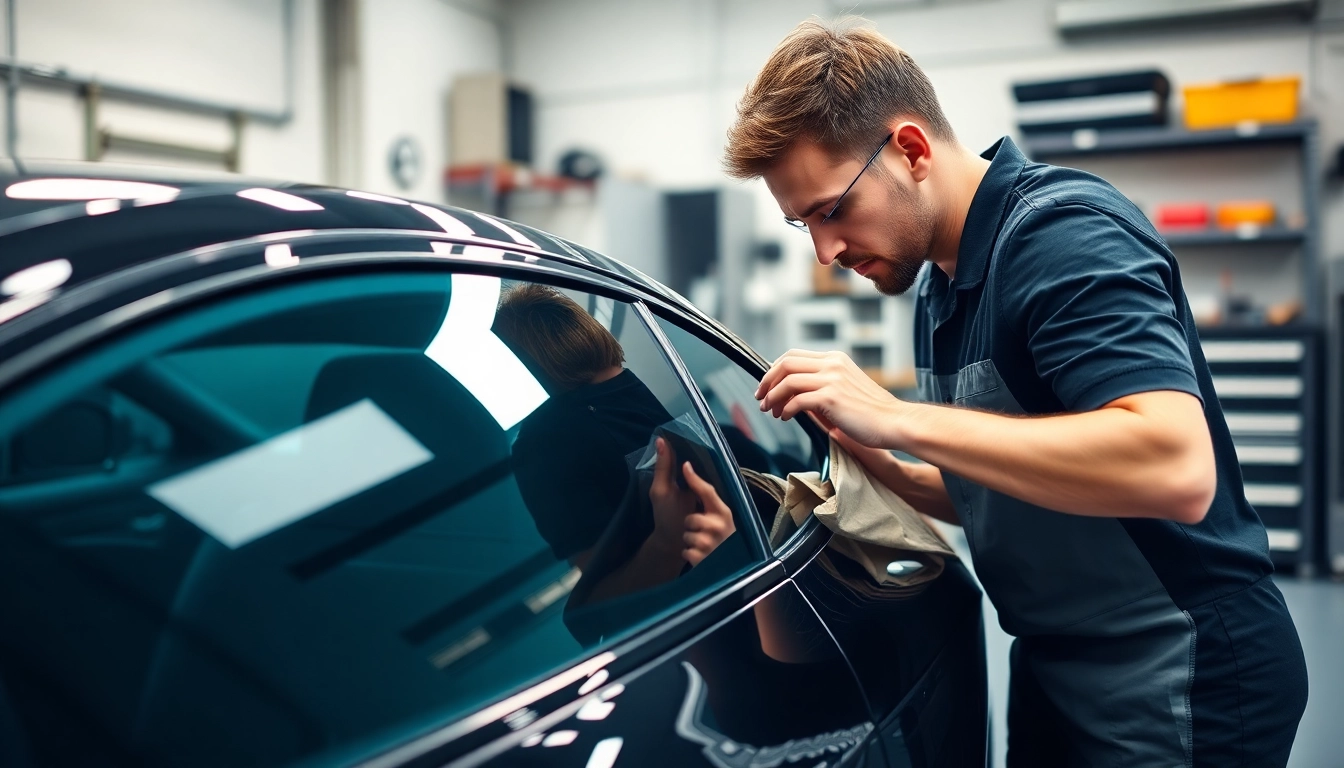
Enhance Your Vehicle with Ceramic Window Tint: Benefits and Application Guide
Understanding Ceramic Window Tint
What is Ceramic Window Tint?
Ceramic window tint is an advanced form of window film that incorporates ceramic particles within the adhesive layer, offering superior performance compared to traditional window tinting options. Unlike dyed or metallic tints, ceramic window tint uses nanotechnology to provide excellent heat and UV protection, as well as enhanced visibility. This makes it an ideal choice both for vehicles and residential applications.
Benefits of Ceramic Window Tint
The benefits of ceramic window tint extend far beyond aesthetics. One of the most notable advantages is its exceptional heat rejection capabilities, which can substantially lower the temperature inside your vehicle or home during hot weather. Additionally, ceramic window tint offers outstanding UV protection, helping to protect both your skin and interior. The clarity of the film also ensures that you retain a clear view, without obscuring your vision, making it not just functional but also visually appealing.
How Ceramic Window Tint Differs from Other Types
Ceramic window tint stands apart from other types such as dyed, metalized, and hybrid tints due to its unique composition. Dyed tints primarily block light and are prone to fading over time, while metalized tints can create signal interference for electronic devices. On the other hand, ceramic window tint does not contain metal, eliminating these drawbacks while providing superior heat rejection and UV protection without compromising visibility.
Advantages of Choosing Ceramic Window Tint
Heat Rejection Properties
Ceramic window tint is renowned for its heat rejection properties. Research shows that high-quality ceramic films can reject up to 99% of harmful UV rays and up to 85% of solar heat. This capability dramatically reduces the need for air conditioning in vehicles and homes, leading to energy savings and increased comfort, especially during the summer months. Additionally, it can protect your vehicle’s interior from sun damage, extending the life of upholstery and protecting your investment.
UV Protection Features
One of the most vital functions of ceramic window tint is its ability to shield against ultraviolet rays. Prolonged exposure to UV radiation can lead to skin damage, including premature aging and an increased risk of skin cancer. Ceramic films block up to 99% of UV rays, providing an essential safeguard, especially for those spending long hours driving or sitting near windows. This added protection contributes to overall well-being and comfort.
Enhanced Clarity and Aesthetics
Ceramic window tint also excels in its clarity and aesthetics compared to other tinting options. Many cheap tints can create a hazy or distorted view. In contrast, ceramic tints are designed to maintain clarity without introducing distortion, ensuring that you have a sharp, clear view from your vehicle or home. This aspect not only enhances the appearance of your property but can also increase safety for driving and visibility inside a building.
Application Process of Ceramic Window Tint
Prepping the Vehicle
Before applying ceramic window tint, thorough preparation is essential for achieving the best results. You’ll want to ensure that the surface of the windows is clean and free from any debris, dust, or grease. A professional will typically use a special solution to clean the glass, followed by a meticulous inspection. Any minor imperfections in the glass should be addressed prior to installation, as they could detract from the appearance of the final product.
Steps for Applying Ceramic Window Tint
The application of ceramic window tint involves several key steps to ensure a perfect fit. First, the tint film is cut to size based on the dimensions of your car’s windows. Next, it is carefully positioned and then adhered to the glass using a specialized adhesive. This process often involves applying heat to activate the adhesive and create a strong bond. After adhering, any excess film is trimmed and the edges are sealed to prevent peeling.
Post-Application Care
After the installation of ceramic window tint, post-application care is crucial for ensuring its longevity. For the first few days, it is recommended to avoid rolling down windows to allow the adhesive to cure properly. Additionally, cleaning should be avoided for a week, with attention to using only soft microfiber cloths and gentle cleaners thereafter. Following these guidelines can help maintain the tint’s effectiveness and appearance over time.
Common Questions About Ceramic Window Tint
How Long Does Ceramic Window Tint Last?
Ceramic window tint is built to last, typically maintaining its effectiveness for 10 to 15 years when properly installed and maintained. Factors like climate, exposure to the sun, and how well you care for the tint can influence its longevity.
Is Ceramic Window Tint Worth the Investment?
Investing in ceramic window tint is often deemed worthwhile due to its long-lasting benefits and superior performance. It provides excellent UV protection, enhanced comfort, reduced glare, and energy savings in the long run. Many users find that the comfort and protection justify the initial cost.
Can I DIY Ceramic Window Tint?
While DIY ceramic window tint kits are available, professional installation is recommended for achieving optimal results. Proper installation requires skill, precise measurements, and techniques to avoid air bubbles and ensure a seamless fit. However, for those with experience, it can be a feasible project.
Maintaining Your Ceramic Window Tint
Cleaning Tips for Longevity
To ensure the longevity of your ceramic window tint, use soft, lint-free cloths and gentle, ammonia-free cleaners. Avoid abrasive materials that can scratch or damage the film. Cleaning the windows with a mild soap and water solution periodically can also help maintain their appearance and effectiveness.
Common Issues and Troubleshooting
While ceramic window tint is designed to last, issues can occasionally arise, such as bubbling or peeling. If bubbles appear, they may need to be addressed by reapplying or smoothing them out with a soft cloth. Peeling edges can often be resealed with professional help, and consulting with a technician is advisable for persistent issues.
When to Seek Professional Help
If you encounter significant problems with your ceramic window tint, such as large bubbles or severe peeling, it is wise to consult a professional. Attempting to fix serious issues yourself may lead to further damage and could void any existing warranty.
FAQs
What is the expected lifespan of ceramic window tint?
The lifespan of ceramic window tint ranges from 10 to 15 years, given proper installation and maintenance practices.
Does ceramic window tint really block heat?
Yes, ceramic window tint is designed to block up to 85% of solar heat, significantly improving interior comfort.
Can ceramic window tint prevent skin damage?
Absolutely, ceramic window tint can block up to 99% of harmful UV rays, providing essential protection against skin damage.
Is ceramic window tint scratch-resistant?
Most high-quality ceramic films are scratch-resistant but can still be damaged by abrasive materials if not cared for properly.
What happens if I clean ceramic window tint too soon after installation?
Cleaning too soon can interfere with the adhesive’s curing process, potentially leading to peeling or bubbling of the tint.