
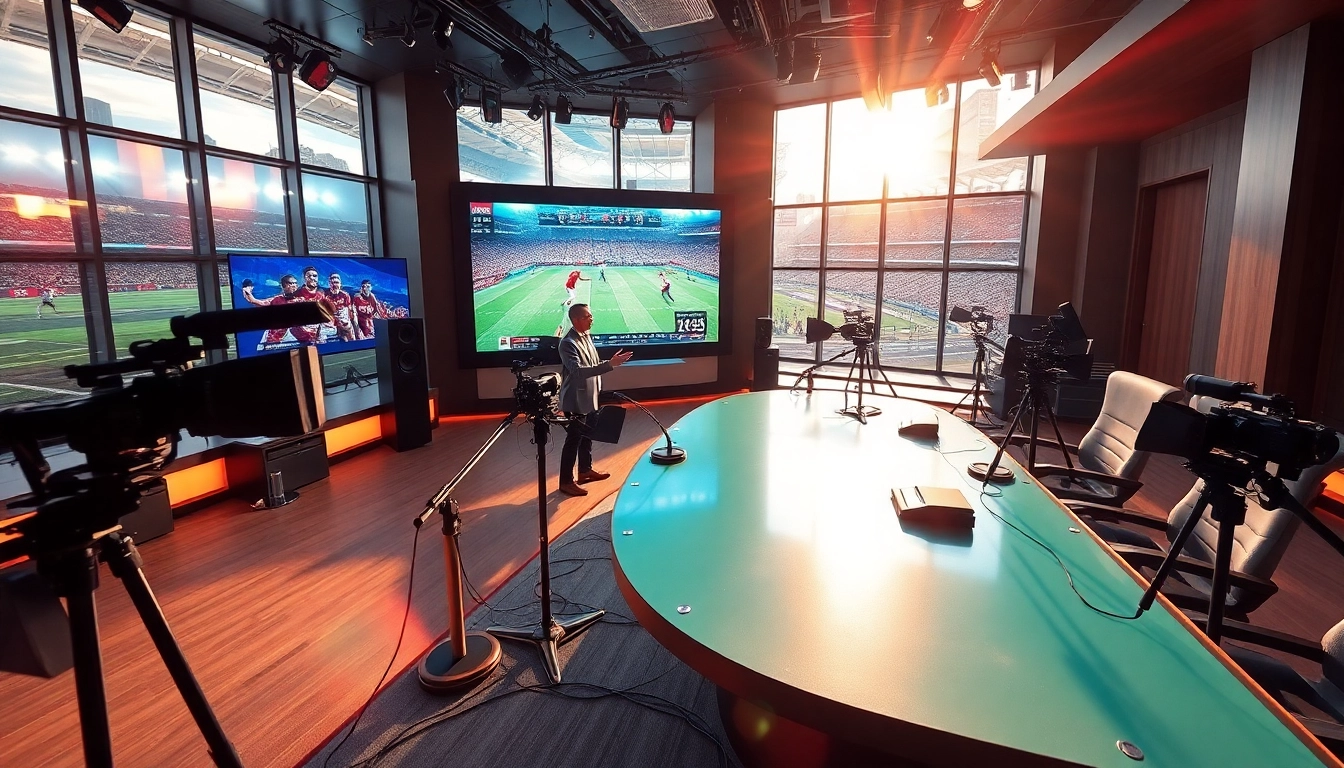
Mastering the Art of Sports Broadcasting: Techniques and Insights
Understanding Sports Broadcasting Fundamentals
Defining Sports Broadcasting and Its Importance
Sports Broadcasting encompasses the live or recorded presentation of sports events over various platforms, chiefly television, radio, and the internet. The importance of this medium extends beyond mere entertainment; it serves as a unifying force, bringing diverse audiences together around shared passions. Broadcasting plays a crucial role in amplifying the visibility of sports, engaging fans, and promoting athletes and teams. As an evolution of traditional formats, sports broadcasting has transformed into a dynamic interaction of information, culture, and community. Today, it serves as a vital platform for storytelling while driving engagement and loyalty among sports fans. For more insights on this evolving landscape, check out Sports Broadcasting.
Key Components of Successful Sports Broadcasting
A successful sports broadcast integrates several key components: compelling narration, high-quality visuals, and seamless production quality. First, the narrative should not only provide play-by-play commentary but also include historical context, stats, and real-time analysis to enrich viewer experience. Secondly, high-quality visuals, provided by top-tier cameras and innovative angles, enhance the aesthetic appeal of the event, making viewers feel as though they are part of the action. Additionally, the production crew must maintain a professional quality of sound, lighting, and editing to deliver a polished final product. Collectively, these elements form the backbone of an engaging spectator experience.
Evolution of Sports Broadcasting in the Digital Era
The evolution of sports broadcasting has been significantly shaped by technological advances and changing audience preferences. Early broadcasts, primarily radio and black-and-white television, have given way to high-definition streaming services, mobile applications, and social media platforms. Today, audiences demand instant access to their favorite sports. Additionally, the rise of Interactive features—such as real-time stats, instant replays, and fan polls—has redefined viewer engagement, transforming passive spectators into active participants. This digital landscape not only caters to a global audience but also allows for localized programming, facilitating personalized viewer experiences.
Technical Aspects of Sports Broadcasting
Equipment Essentials for Quality Broadcasting
Quality broadcasting entails a set of essential equipment that brings live sports to audiences effectively. First and foremost, cameras are critical; multi-angle coverage with high-definition capabilities can revolutionize viewer experience. Professor-grade microphones ensure crystal-clear sound, essential for both commentary and crowd noise. Production switchers facilitate seamless transitions between feeds. Furthermore, graphics systems aid in real-time statistics display, enhancing the viewers’ understanding of the game. As technology advances, investing in cutting-edge equipment is imperative for any broadcasting entity aiming to remain competitive.
The Role of Production Teams in Sports Broadcasting
The production team serves as the unsung heroes behind tenacity and creativity in sports broadcasting. From directors and producers to camera operators and sound technicians, every role is crucial for ensuring a smooth broadcast. The director orchestrates the action, deciding camera angles and timing, while producers strategize on content flow and viewer engagement. Camera operators capture not only the game but also the emotion and atmosphere surrounding it. This collaborative effort transforms a simple game into a broadcast spectacle that resonates with audiences on multiple levels.
Live Versus Recorded Sports Broadcasting: Pros and Cons
Broadcasting can be categorized into live and recorded formats, each with its merits and drawbacks. Live broadcasts offer real-time excitement and unpredictability; however, they also carry potential challenges such as technical difficulties and unanticipated events affecting the show. Conversely, recorded broadcasts can be curated for quality; mistakes can be edited out, and content can be enhanced before airing. Yet, they lack the immediacy of live content, which can deter certain audiences seeking authentic experiences. Ultimately, the choice of format should align with strategic audience engagement goals.
Engaging Audiences Through Sports Broadcasting
Strategies for Captivating Sports Fans
To keep sports fans captivated, broadcasters should focus on creating immersive experiences. This can include behind-the-scenes documentaries, interviews with players, and fan interaction segments. Engaging storytelling that highlights athlete journeys or team histories can add layers of emotional connection for viewers. Moreover, leveraging technology to create interactive elements—such as live polls, augmented reality, and gamification—can enhance fan involvement, turning a simple broadcast into an engaging event that builds community and loyalty.
Utilizing Social Media for Enhanced Engagement
Social media platforms play a pivotal role in modern sports broadcasting. They serve as essential channels for interaction, allowing fans to express opinions, share content, and engage with teams and players directly. Real-time engagement during broadcasts, such as live-tweeting, polls, and Q&A sessions with athletes, create a dynamic atmosphere. Additionally, leveraging platforms like TikTok or Instagram for highlights can capture younger demographics, expanding reach and ensuring that broadcasts resonate across various age groups.
Understanding Viewer Preferences and Trends
Understanding viewer preferences is crucial for delivering compelling content. Analytic tools can track viewership patterns, indicating what resonates most with audiences. Current trends show a growing demand for personalized content, mobile access, and interactive features. Broadcasters must remain agile to adapt content and scheduling strategies accordingly. By utilizing feedback mechanisms and regular surveys, broadcasters can continuously refine their offerings, ensuring they remain relevant in a fast-evolving entertainment landscape.
Best Practices for Effective Sports Broadcasting
Creating Compelling Storylines in Sports Broadcasting
Great sports broadcasting thrives on storytelling. Beyond the game itself, compelling narratives about players, teams, and rivalries captivate audiences. Engaging story arcs can be built around individual athletes’ journeys, historic matches, and seasonal team dynamics. By integrating these stories seamlessly into broadcasts, producers can spark interest, empathy, and engagement, thereby increasing viewer loyalty and interaction.
Collaborating with Sports Analysts and Personalities
Collaboration with analysts and well-known personalities can add depth to sports broadcasts. Analysts provide expert insights, breaking down plays and strategies that deeply engage audiences. Personalities, whether they are former athletes or recognized commentators, can introduce charisma and entertainment value. This synergy not only enriches content but can also attract more viewers by establishing credibility and fostering trust.
Ensuring Compliance with Broadcasting Regulations
Compliance with broadcasting regulations is paramount for maintaining integrity and legality. Regulations can vary by country and platform but commonly include adherence to copyright laws, advertising guidelines, and content ownership rights. Broadcasters must diligently understand and implement these regulations to avoid legal repercussions and ensure that their content is respectful and appropriate for diverse audiences.
Measuring Success in Sports Broadcasting
Key Performance Indicators for Sports Broadcasting
Measuring success requires clearly defined Key Performance Indicators (KPIs) tailored to broadcasting objectives. Common KPIs include viewership ratings, audience reach, engagement rates on social platforms, and advertising revenue. Consistent monitoring of these metrics allows broadcasters to evaluate performance and adjust strategies. Additionally, qualitative measures like viewer satisfaction and brand loyalty can provide deeper insights into audience connection and content impact.
Analyzing Audience Feedback and Ratings
Analyzing audience feedback is essential for growth and improvement in sports broadcasting. Feedback can be collected through surveys, social media interactions, and focus groups highlighting strengths and areas for improvement. Ratings provide quantitative data on viewership trends, facilitating pattern recognition that informs future programming decisions. The aggregation of both qualitative and quantitative data provides a comprehensive understanding of audience sentiment.
Continuously Improving Broadcast Quality and Content
Continuous improvement in broadcast quality demands an ongoing commitment to innovation and excellence. Regular training for staff, investment in the latest technology, and ongoing evaluations of content quality contribute to this goal. Broadcasters should encourage a culture of feedback, where insights from audiences and team members alike inform revisions and enhancements. This proactive approach ensures the broadcast remains competitive and aligns with audience expectations.
Frequently Asked Questions
What is the main role of sports broadcasting?
The main role of sports broadcasting is to present sports events to a wide audience, enhancing viewer experience through commentary, visuals, and statistics.
How has digital technology changed sports broadcasting?
Digital technology has enabled real-time streaming, interactive features, and a global reach, transforming how fans access and engage with sports content.
What are the key components of a successful sports broadcast?
Key components include compelling narration, high-quality visuals, seamless production, and interactive audience engagement to create an immersive experience.
How can social media enhance sports broadcasting?
Social media enhances sports broadcasting by facilitating real-time engagement, content sharing, and creating a dynamic connection between fans and teams.
What metrics are used to measure the success of sports broadcasting?
Success can be measured through viewership ratings, audience engagement metrics, revenue from advertising, and qualitative feedback from viewers.
